Saudi sports market to triple to $22.4BN by 2030, but Gulf Risk ‘Off’ Sound Cable – Report

The sports market of Saudi Arabia can triple to $22.4 billion by 2030, a new report by PWC Middle East found, as the Gulf Middle East is a $2 trillion global tourism market.
However, PWC warned that the risk of the Gulf “is the exhaustion of ONE” Off “unless the governments focus on managing the competitions of sustainable topics to build tourism, create jobs and invest in the long term.
The Gulf sports market is set to boom
report, Game On the GCC – Transforming Sports Passion into Lasting Tourism Impacthe said the Middle East’s sports sector is already worth about $600 billion, growing by 8.7 percent annually. Globally, sports tourism represents 10 percent of tourism spending and has expanded at a low annual rate of 17.5 percent, projected to exceed $2 trillion by 2030.
PWC said that while the Gulf nations have been established for global events including the FIFA World Cup in Qatar and the growth of growth areas there are, the following travel for lovers of places, connected travel for lovers and a connected regional environment that encourages visitors to return throughout the year.
“The GCC has already demonstrated that it can host the world’s largest events,” said Peter Daire, senior consultant for PWC Middle East. “The next step is to turn that success into lasting impact, building spaces that engage fans year-round through rich, powerful digital experiences.”
PWC estimates that the region currently captures 5 to 7 percent of Global Sports Tourism Trearism, leaving what is described as “Great Room for Growth” as the Gulf’s economy diverges from hydrocarbons. The report pointed to the need to create mixed-use venues that include sports, retail, entertainment and culture to attract long-term and high spending. It is also called to improve the involvement of the digital discoverer, storytelling festivals and various festivals that turn spectators into active participants, and to build a GCC-Wide Ecosystem to connect places, events and talent through easy travel and integrated marketing.
“Sports tourism has emerged as a part of Destination Strategy and a Catalyst for attracting visitors,” said Jonathan Worsley, Chairman and CEO of Bench, organizers of the upcoming Hospital conference. “Until it is too far to fill the hotel rooms; it takes out the development of the infrastructure, raises the visibility of the product and opens the demand for the whole year, all of which the GCC is set aside to work.”
PWC also called for greater investment in women’s sports, youth involvement and workforce development, noting that more than 60 percent of the region’s population is under 35, a key factor creating future demand.
In recent years, Saudi Arabia and the UAE have made sports a central pillar of their economic and tourism divide, following the success of Qatar hosting the 2022 World Cup. Saudi Arabia’s Public Investment Fund (PIF) led the charge, creating $1 billion in funds tied up in the 2033 World Cup bid.
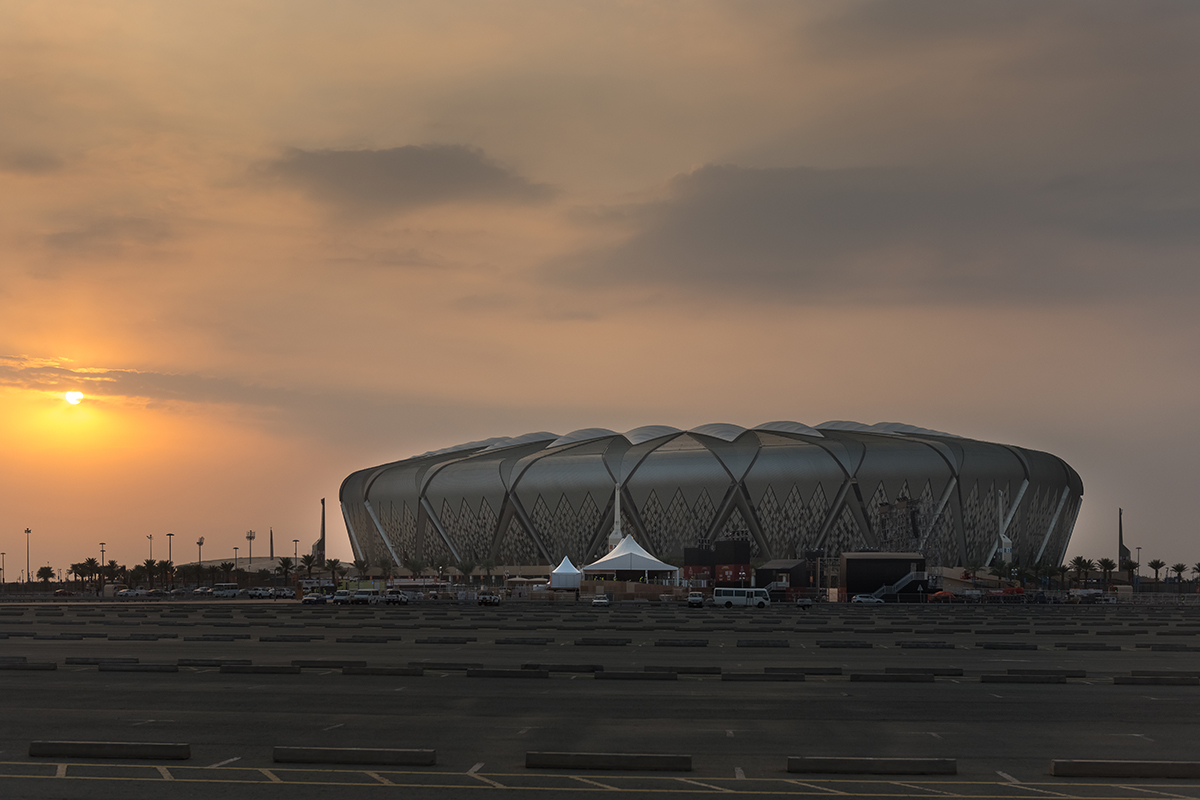
In the UAE, a 24,000-seat stadium is being built in Abu Dhabi as the country expands its sports and event facilities. MUBADALA money has also invested in global sports assets, and both countries are increasing their involvement in sports media, games and fan trends. Together, these move to signal the Shift of the region from single events to a circular sports economy fueling the economy of all sports.