Is the Oura Ring right for you? A 5-week review of sleep, stress and recovery

I have been playing football for almost five years. It is not a perfect line. Some long-term commitment and occasional disappearances, amazing returns and a renewed sense of responsibility. Since October, I’ve been back at it. And then, last week, I turned 30.
They say 30 is the new 20. I’d like to officially argue against this, on the grounds that at 20 I can sleep for two hours and show up to work the next day as fresh as a daisy. At 30, sleep is very important for performance.
You really start to feel things at 30. Not emotionally, but physically. Your body stops letting things slide, sleep is non-negotiable, recovery becomes a topic and suddenly, a device that tracks your heart rate fluctuations feels less like a gimmick and more like a sensible life decision.
Enter the Oura ring.
A ring that looks quietly and judges politely
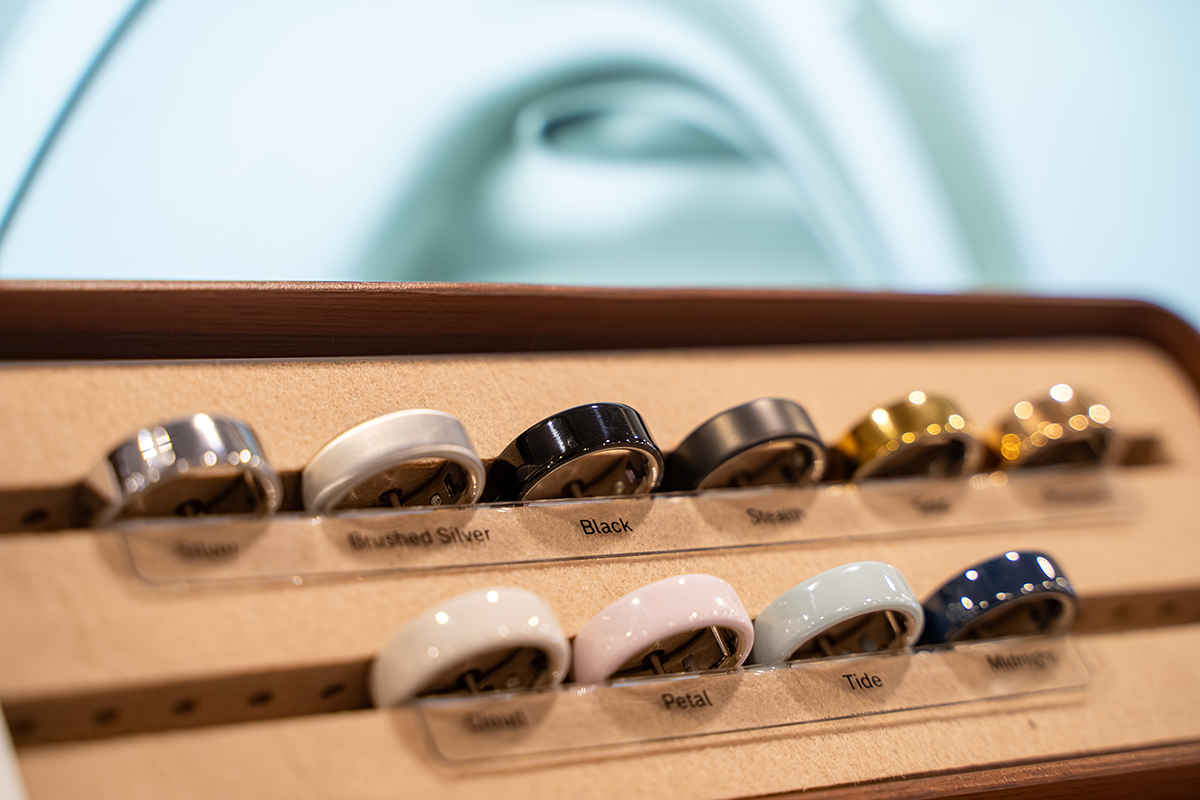
I’ve been using the Oura Ring for about five weeks now, and it’s integrated itself seamlessly into my life, both aesthetically and mentally. Thankfully, it doesn’t look like health technology. It looks like a normal ring, matches my normal jewelry and doesn’t make a statement. Which is good, because no one needs to know you’re employed by Scandinavian health engineers.
It is also extremely comfortable. I forget I’m wearing it until I open the app and realize it’s been keeping a detailed log of my sleep, recovery, stress levels and general behavior like a very calm, self-monitored partner.
Sleeping is a big event
I’m training more now, lifting weights and eating better, but sleep is key. It has always been that way. And that’s where Oura finds its place.
Every night, it tracks:
- Stages of sleep including light, deep, and REM
- Perfect sleep and time in bed
- Sleep efficiency and restlessness
- Resting heart rate and heart rate variability
- Breathing rate
- Oxygen levels in the blood at night
I tested the sleep data with my Sleep Eight system a few times, and the results are almost identical. That kind of consistency builds trust. When two different devices tell you the same thing, it becomes difficult to argue with the data and it is easy to stop blaming Mercury in retrograde.
The three daily points are now active in the morning
Oura simplifies everything to three points out of 100, which is useful and occasionally humbling.
The Sleep Score tells you how well you slept, not how well you think you slept.
The Readiness Score tells you how ready your body is to take on the day based on sleep, recovery, heart rate patterns, and temperature signals. Activity Score tracks steps, calories burned, and workouts, including automatic detection.
At 30, this becomes less about excellence and more about awareness. Some mornings the app lets you know right away that today is not the day to chase a personal best. Today is the day of good behavior. I find that level of honesty refreshing.
Features you don’t know you’ll care about
Besides sleep and activity, the ring tracks an incredible number of health indicators:
- Continuous skin temperature trends, useful for identifying changes and tracking cycles
- Stress levels and intensity during the day
- Heart health markers such as resting heart rate and HRV
- Women’s health information including cycle predictions and fertile window estimates
- Metabolic health coverage for those deep into glucose and food data
It sounds like a lot, but the app displays it cleanly. You can access the full data or just look at the best photos and get on with your life.
What changed after five weeks
After five weeks, the value of the Oura Ring becomes apparent.
The data begins to organize itself into patterns that express the obvious and strange. Dinners are always available. Alcohol comes up all the time. Stress makes itself known. So are the intense training days. On the other hand, good habits are characterized by how reliable they are. The night before improves recovery. Consistency is characterized by high readiness. The body responds just as physiology suggests it should.
There is nothing surprising about how this information is delivered. No alarms, no exaggerated conclusions. It’s just anecdotal evidence that shows how adult life really works: small decisions, repeated over and over, that produce cumulative results. It feels less like encouragement and more like supervision, which at this point in life is very useful.
Turning 30 strengthens your relationship with a response like this. It stops feeling cynical and starts to feel real.
The decision
Oura Ring does not promise conversion, nor does it need to. Self-discipline, nutrition, training and recovery are still the top priority. What the ring provides is visibility. A consistent, honest picture of how the body copes with the pace, stress and structure of everyday life.
It looks good, it feels invisible and the data is reliable.
At this age, that level of clarity is exactly what I’m looking for.