Dr. Attossa Speaks ‘married to medicine’ 12 seasons, sweet tea, & heals Feud Feud-‘Life BILYIN’ [Exclusive]

![Dr. Attossa Speaks ‘married to medicine’ 12 seasons, sweet tea, & heals Feud Feud-‘Life BILYIN’ [Exclusive]](https://bossip.com/wp-content/uploads/sites/28/2025/11/17612290189518.jpg?quality=80&strip=all&crop=0px%2C1px%2C750px%2C429px&resize=1680%2C960 "Dr. Attossa Speaks ‘married to medicine’ 12 seasons, sweet tea, & heals Feud Feud-‘Life BILYIN’ [Exclusive]")
- ‘Bravo’s’ is married to a drug ‘thriving with authenticity and reported.
- New Cast Angel, Brandi, and Mimi brought new ideas to the group.
- Potresa and Phaedra’s relationship, a sweet, heavenly tea, came through forgiveness and support.
Dr ANTRESSA metcalfe brings sharp wit and truth She is married to a mediciner Season 12, and she tells Bossip all about it. Before the return of the show on Sunday, November 30 at 9 pm et / pt on Bravo, sweet tea, that show will replace the DR.
For Contessi, the show’s success comes from its raw reality.
“I think it’s true,” he told the managing editor of DAI Canada about why Bravo’s watchers have been scheduled since 2013. “People come to this show, and they give their stories.”
When asked who is in charge of the team that will respond the most, a certain doctor said that Birkin-brings Bordie brings the cake, even if some things happen off-camera.
“Toya does that,” she said. “He is the one who will tell everything. He will be like in secret, ‘We could be in secret. How are you talking about this?’ He doesn’t know how to sort. “
 Source: Phylicia JL Munn / Bravo
Season 12 Reunites Contessi with Dr. Jackie Walters, Dr. Simone Whitmore, Toya Bush-Harris, Quad WebB, and Dr. Mimi Sanders. They are joined by new faces, Angel Love Davis and Brandi Milton. Angel brings beauty, brains, and business savvy as they bring back her bestie, the quad, while Brandi unleashes her med-spa mastery and cutting commentary to keep the team loyal.
“Newbies for season two and a half,” Angel, Brandi, and Telly.
“As soon as I met them both, I was like, yeah, this is the missing piece,” Bossip told. “The Angel is already a social network with people who have big successful businesses. Brandi has her own beauty routine, four kids, and an amazing marriage. And they can. And that’s what you need to survive in this group.”
 Angel love, source: phylicia JL Munn / Bravo
 Source: Phylicia JL Munn / Bravo
Dr. Metka metcalfe talks sweet tea with phaedra parks, Dr Jully Kimes
While the cast is growing, two familiar faces are missing.
Phaedra Parks and sweet tea are not returning this season, although ACROSRESSA insists that nothing has changed in their true friendship.
 Source: Phylicia JL Munn / Bravo
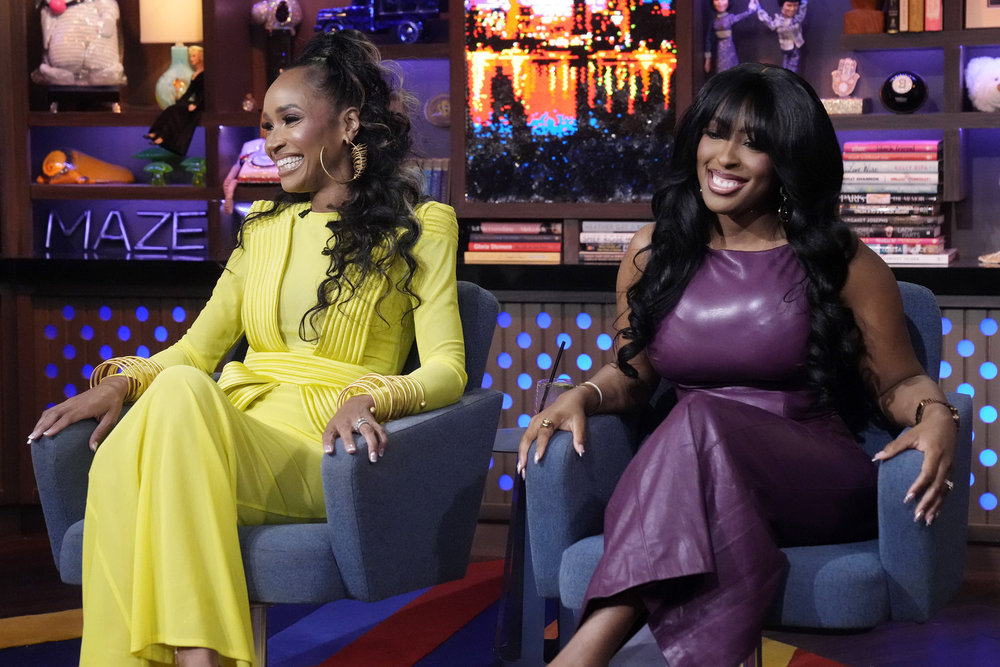
“Phaedra is my neighbor,” she told Bossip. “When the apocalypse happens, Phaedra will survive. She will be one of them to rebuild the world.”
 Source: Charles Sykes / Bravo
As for the sweet tea, Foressa described her as ‘my sister,’ adding,
“She’s a girl and she’s thriving without this group of friends. I’ll be seeing her in a few days.”
And while those two are missing, Dr. The Kimes will return, not in full form, but as a friend and a campaign and campaign of hope, with his STROMS run.
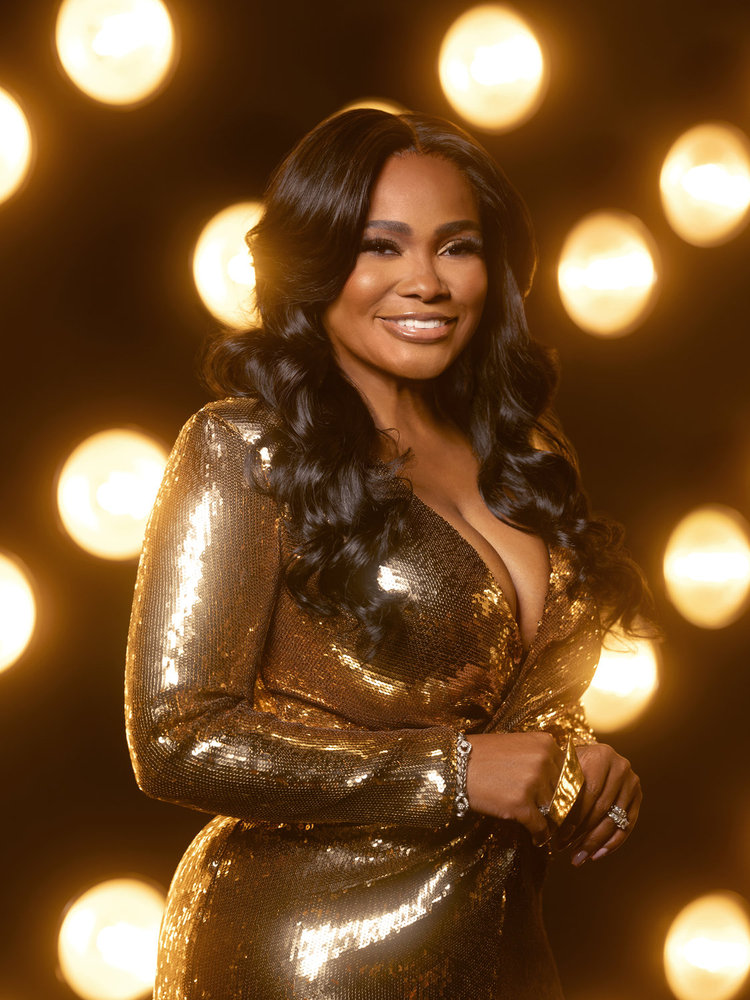
According to ACROSSSA, his relationship with heaven has enjoyed a willingness to forgive.
“It’s always right under the face,” he admitted to the doctor who once challenged him to “hold” by digging about his mother’s late mother. “But he apologized. And life is life’. He traveled a lot. I don’t brag to people. He doesn’t like himself a friend.”
Consessi also revealed that he helped heaven run for Congress, something we will see in season 12.
“He actually worked for another office at first,” she said. With her personal experience in political spaces and many visits to the White House, ANTRESSA is needed to make heaven understand the seriousness of sacrifice. “This is not something you can do on weekends. I had to hear from him that he understands the equipment. He is willing to give it one hundred percent.” Actually think that you will succeed. “
One of the best soting plotlines remains the strong relationship between Quad Webb and Dr. Simone Whitmore. During the season reunion, the two had a bad blowup, but they shared at Bravucon 2025 that they are working to straighten out their “patchwork” relationship.
 Source: Phylicia JL Munn / Bravo
ANTRESA told Bossip that the disconnect is still blowing up.
“I don’t know what it really is,” he admitted. “For the relationship to move forward, they have to find out what their real issues are. They’re very similar. They know Quad is his camera.” He joked that the two teenagers should “get matching tattoos, do each other’s hair and go on tour,” adding that the couple is the “yin and yang” of the group.
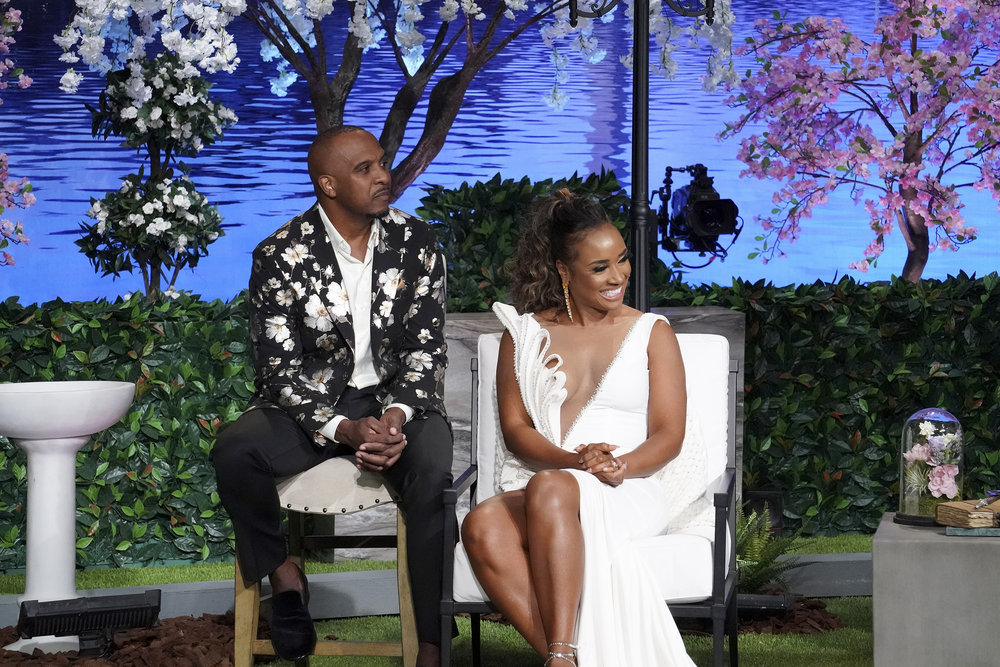
Outside of Group Dynamics, Contessi is celebrating a milestone on its own. She and her husband, Dr. Scott Metcalfe, expanded their medical business by purchasing the property outright.
 Source: Heidi Gutman / Bravo
“It feels so good to know when I walk into that world, I have all this,” she said. “If things go down, I can sleep in the back of my building. That’s mine.”
With new friendships formed, old ambitions rekindled, and personal ambitions rising, Contesssa believes that Season 12 will include what viewers love most: Truth, conflict and personal growth.
“I’m proud of who I am and what I know,” Bossip said. “And this group continues to push each other, whether we like it or not.”
She is married to a mediciner Season 12 Premieres Sunday, November 30 at 9 PM ET / PT on Bravowith episodes airing the next day on Peacock.