Dubai landlords ‘sitting on goldmine’ as property market enters 2026 – expert

Villa owners in Dubai are set to benefit greatly as villa prices rise faster than house prices, as household demand continues to outstrip limited supply heading into 2026, real estate industry experts say.
“If you own a villa or a townhouse today, you’re essentially sitting on a gold mine,” Lewis Allsopp, chairman of brokerage Allsopp & Allsopp, told. Arabian business. He cited limited new supply and strong demand from end users and high net worth buyers.
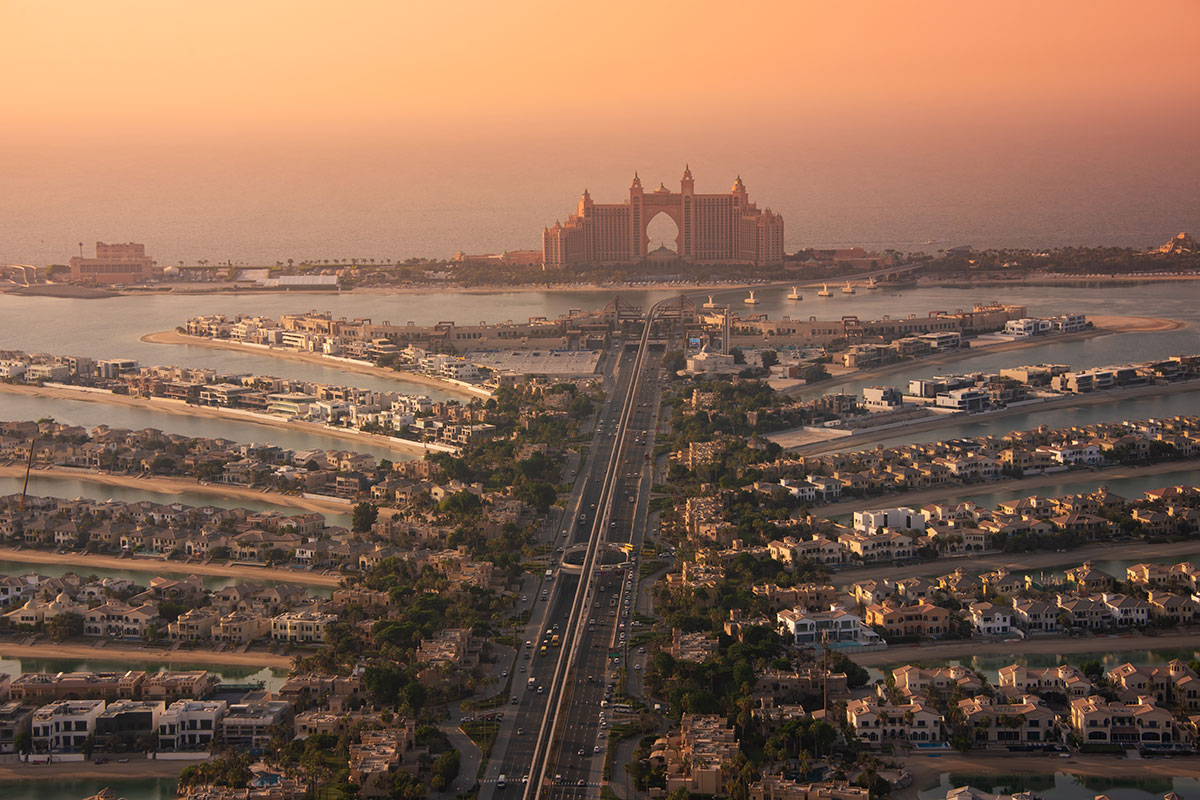
Allsopp and Allsopp have recorded a 22 per cent year-on-year rise in average sales prices and an 18 per cent rise in rents by 2025, with apartments paying the highest premiums. In November alone, a villa in Palm Jumeirah rented for AED1.5 million a year, while a property in Tilal Al Ghaf earned AED900,000, the company said.
Supply restrictions benefit villa owners
While villas and townhouses remain responsible, apartments are entering a recovery phase, Allsopp said, as more units are delivered and consumer choice increases. Studios and one-bedroom apartments are experiencing slow absorption, while larger units continue to attract more affordable families in rural communities.
Dubai’s extensive residential market is expected to continue to grow into 2026, but at a moderate pace, according to Gil Van Gelder, director of residential brokerage at Espace Real Estate.
“Dubai is heading towards 2026 in a phase of continued growth, albeit at a moderate and mature pace,” said Van Gelder. Transaction values are expected to reach about AED512 billion by 2025, based on year-to-date figures, with unplanned sales accounting for nearly two-thirds of residential transactions, he added.
Performance is based on population growth, ongoing income and end-user demand rather than speculation, Van Gelder said, with increased diversity by location and property type expected next year.
Data from Better Homes shows a similar trend. The total value of residential transactions had exceeded AED500 billion by the end of 2025, surpassing the record of the previous full year, according to the brokerage.
Continued growth before 2026
“It’s a market heading into 2026 with strong growth, coupled with pockets of sustainability,” said Louis Harding, chief executive of Better Homes. “That’s not a fix. It’s a natural maturation cycle.”
Harding said Dubai’s fundamentals remain intact, supported by population growth, the influx of high-net-worth residents and foreign investment. Population growth alone requires tens of thousands of new homes every year to keep pace, he added.
Concerns about overbuying have resurfaced as developers plan to complete the landmark project by 2026. Industry experts, however, say the risk is localized rather than systemic.
Van Gelder said suburban and suburban communities are expected to perform well in terms of supply chain issues, while Harding noted that much of the supply chain is often delayed or fragmented.
Experts say 2026 is expected to reward discipline in terms of volume, with strong demand in the affordable luxury segment priced between AED1 million and AED3 million, while employment is ultimately more selective rather than weaker.
Global buyers are targeting the local Dubai market
Long-term residency programs, including the Golden Visa, continue to support end-user demand by encouraging residents to treat Dubai as a permanent base, supporting demand for family homes and established communities.
Demand for UK origin remains a significant contributor, driven by economic uncertainty and tax changes in Britain, as well as continued interest from buyers in India, Europe, the GCC and North America.
Despite the price hikes, experts say Dubai remains competitively priced compared to global peers, supported by economic stability, population growth and strong underlying demand.