NFL cheerleaders are not new. So why are people crazy with the Minnesota Vikings Squad?

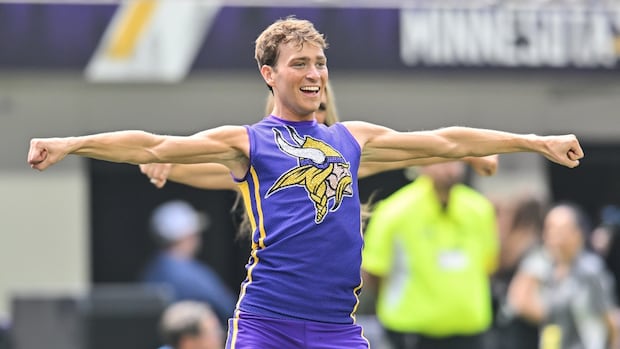
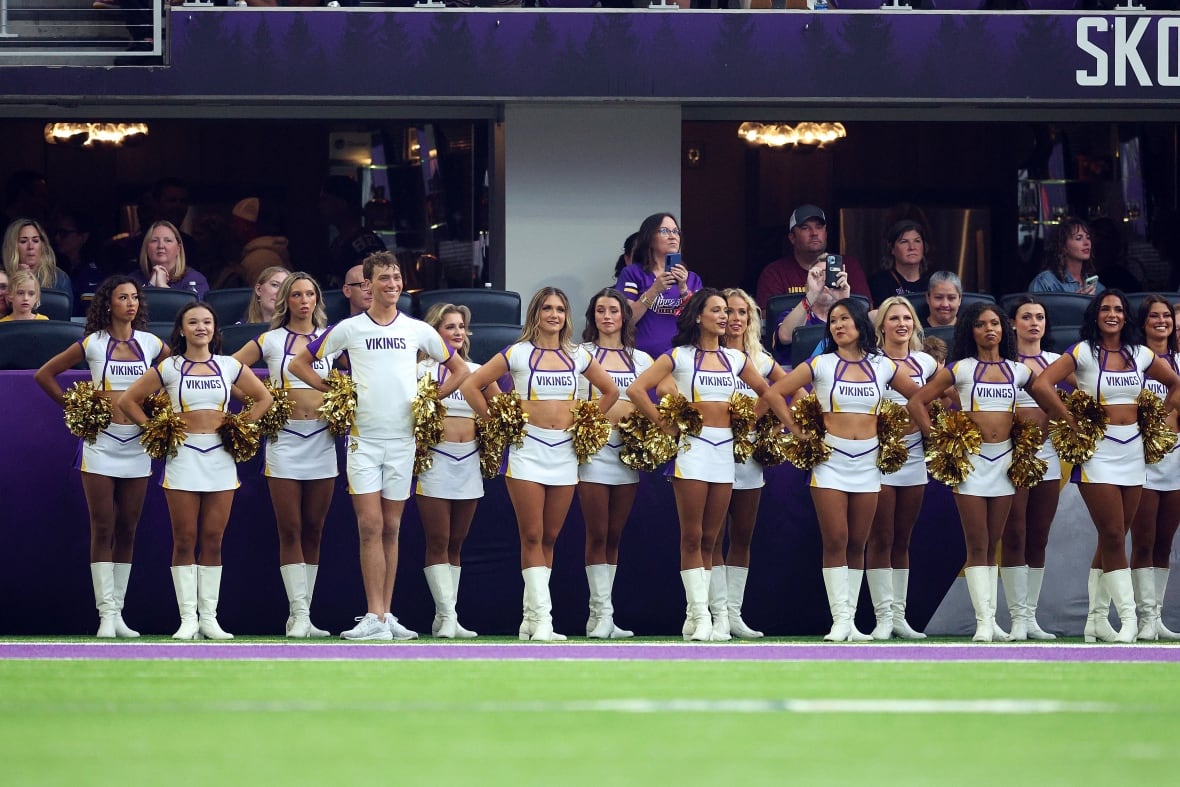
When Minnesota Vikings announced his Chernesota Team Roolroster at the beginning of this month, he also created the Internet fire.
“The next generation of refuge has come,” said the party wrote on Instagram Aug. 9, next to the video opening with a Backflip-drained and dancing pom-poms side to other dancers, including Buncing, enthusiastic, shoek.
The answer quickly, and some social media left the invading words and threatened to stop supporting the party. After that, the officers facing the Republican Tuberville, who suspects the party by pressing the accounts “and the FOX” cast, saying the matter will be a neighbor “
The Previous Player of the Viking and the current activist, Jack Breer, has told Fox “foxi and respected Fox news”
Finally, the Vikings themselves produced a statement that supports Conner and Shiek, telling a shiek.
Conno and Shiek is not the first Cheerleaders for the NFL – in 2018 with Los Angeles Rames and New Oldwenan Saints.
And if anger is above men who dance alongside women, well, as long as there was a dance, there were men of men.
So why do people get rid of this type of dance, and why?
“I think that happened to the expectations of what they think seemed like,” the President of Canada Cherleaders Alumni, telling CBC news.
“It seems that there is very little in the field and yield to dance instead of just lifting or just wrote closest stunts.”
To disturb the culture of football
The ball has a different role in American culture, where it is the leading game. And the NFL tends to be in historical bound, with heavy and gritty players face as Ultra-feminine cHeesleades root to them in districts.
Influence “Taylor Swift” in football models, viewing and sales seller has already offended many male fans for the focus of POP during the games. He had been interpretered in Super Bowl this year and postponed online by the President of the US Donald Trump.
And now, as some media stores point, male cheelleaders also interfere with this tradition, when he redesigns what Athleticicetic. Not just catch the foundation of the pyramid, but dancing before and the center.
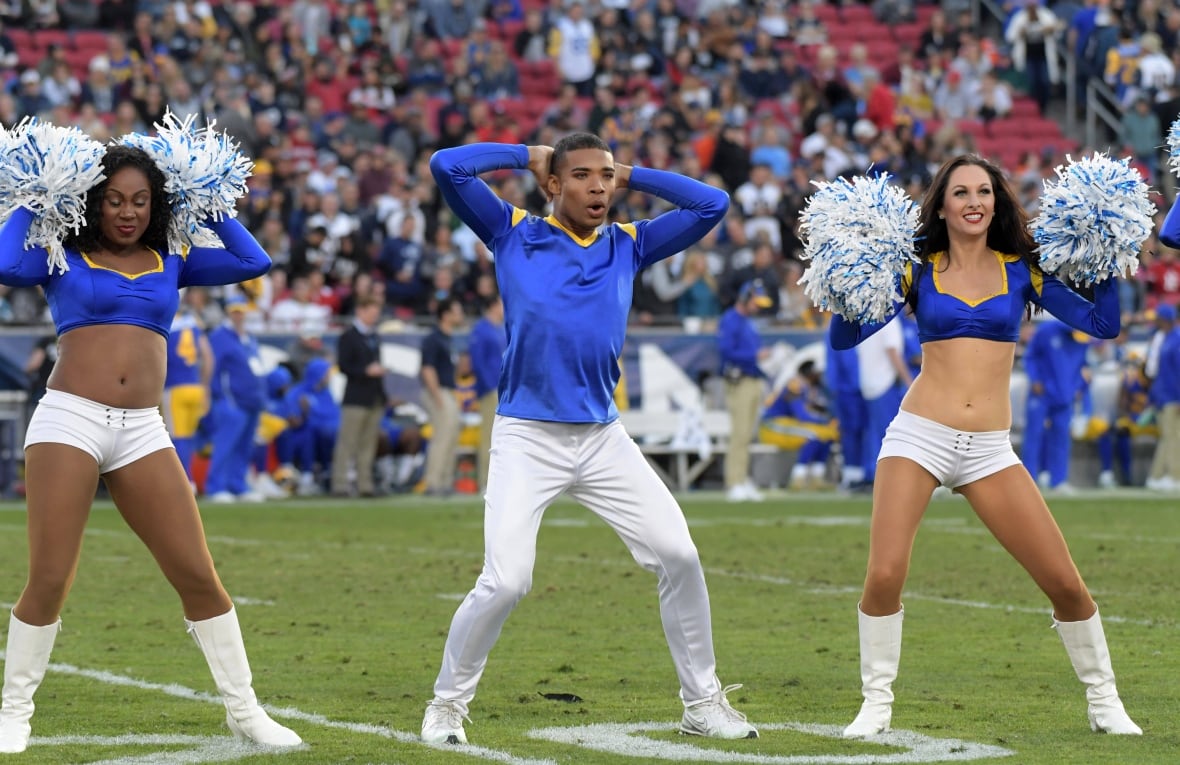
“When people think of the daughters of ENFL, you think of the old men in the air. MORE OPTIONS,” Sunstics, has enjoyed the Superbowl history in 2018, told history on CNN on Wednesday.
“I think now that we are fully integrated, and we don’t be like the supplement, we do the same as the same translations as women partners, I don’t know, it is very different from many people.”
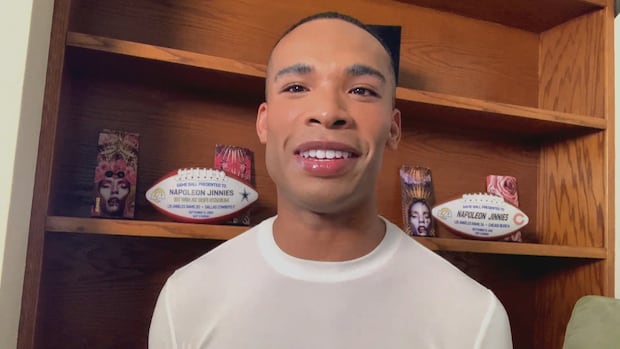
Napoleon Jinnies, one of the first men of the first men, talks about the CNN about his experience happy with La Rams and the Backlash Male Cherleaders facing.
In Canadian Soccer League, male cheerleaders are no new, Veveverichirge said. For example, Edmonton has had men in the group for years, while others have followed, explained. Although mainly involved in the stumbling, he added.
“Cheerleading is a combination of anthelakhisk and operations, and it is not something to be defined,” Veveridge said.
“Having men in dancing, dancing shows the boys and young men that there is a place to them in this world, too.”
‘It was meant to be’
Conn and Shiek is also announced in a friendly political case and variation of athletes, as Trump groups block the transgenders who follow the High Court in Fritani. “
Verleaders’ annoyance, then, is “Efforts to control men,” wrote the NFL Player RK RUSEL IN THE GUARDIAN.
“It is about the existence of just a male in NFL Cheer Cheer Squads that are not complying, expired in the lookout so much that they use many games, and to protect,” wrote on Tuesday.
But among neglect, a lot of response has also hoped, and followers come out to support and congratulate the cheelleaders.
Eminnesota Vikings Cheerleaders Instagram, for example, analysts send that a new group “includes all rights,” supports the rights of all their dreams, and soccer team.
“Fan Seahawks fan, but here to support your Beel group,” writes a person to Instagram.
“New Vikings fan here,” Another added.
In one of the Instagram posts appear to respond to chaos, Conn and Shiek met together in the dumstop and the theme, “Wait … Is there anything that says our name?”
Conn, because he sent her baby, sitting in the square in the arm, by the Word, “I’m right where I was meant to be there.”
It is possible that I “never felt very loved,” he added.


