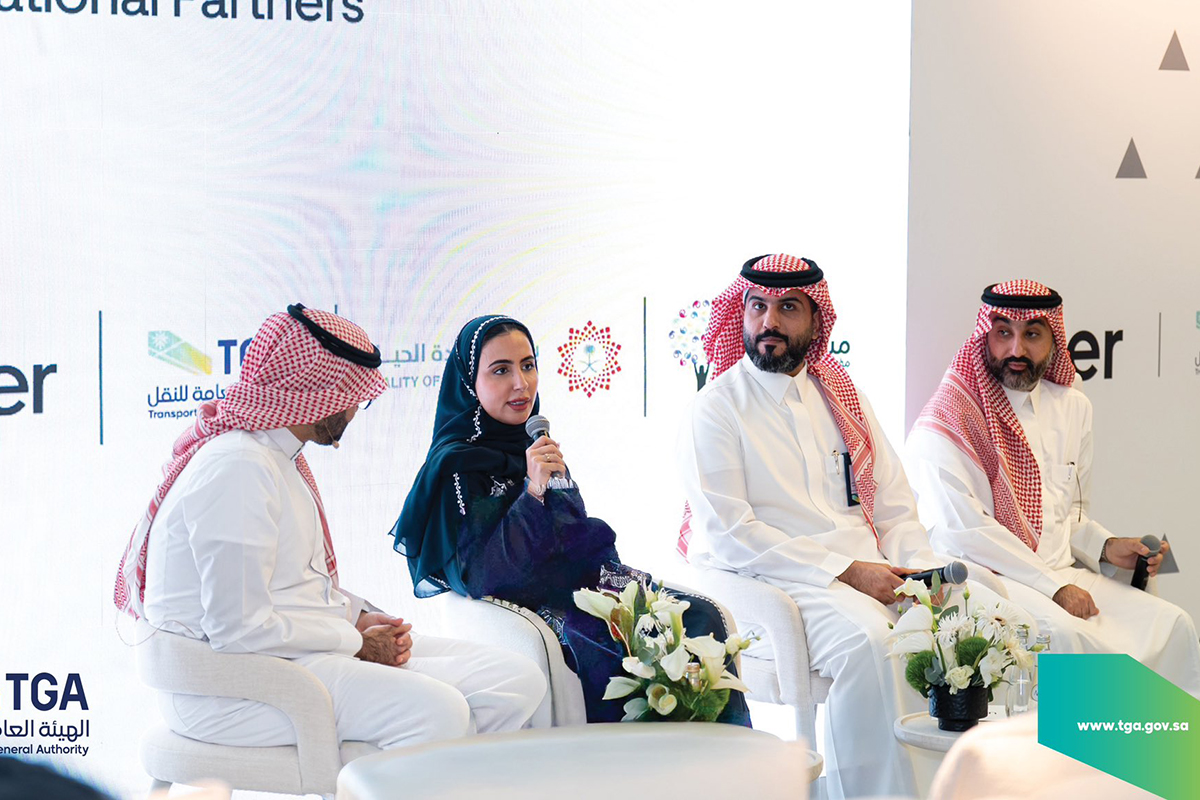
Uber launched Rihla, a new platform in Saudi Arabia with a focus on tourism and events.
Developed in collaboration with the Transport General Authority (TGA), the quality of life program, and the Misk Foundation, Rihla (Arabic (Arabic (Arabic (Arabic for ‘travel’)) pledges, process makers and test communities to connect people, cultures and opportunities throughout the state.
Building on Uber’s strong presence in 25 cities in Saudi Arabia through the Uber app, Rihla is the company’s attempt to double down on economic and social mobility.
Uber’s Rihla Fuels Vision 2030 Growth
In its first phase, Rihla will celebrate tourism and mega events, two major pillars to drive the vision of the country in 2030.
Projects through the RICLA platform will focus on historical events and events, exploring how transportation can improve the experience of living and visiting Saudi.
From the mountains of Alula to the waters of Jeddah and the Skyline of Riyadh, Rihla will explore how smart travel can help the world experience all that Saudi Arabia has to offer.
Rihla presented several attempts …
- Mohammed bin salman non-profit city (Misk City) Mobility Solutions Hastathon: This Global Innovation Challenge, the first initiative of the Missional Global Forum, invites young minds to design creative mobility solutions for the cities of tomorrow, reaching a live scenario at MGF25 in Riyadh.
- Bonjour Saudi Partnership: Uber and BonJour Saudi will collaborate to deliver cultural awareness workshops for drivers, to help them better understand and share the culture of Saudi Arabia with tourists. It aims to improve the overall experience and connect movement and meaningful cultural exchange.
Youssef Angouseif, Managing Director, Uber KSA and Bahrain, commented: “Travel is more than getting from one place to another, it’s about connecting people, ideas and opportunities.
“Through Rihla, we are working hand-in-hand with the Saudi community to create a future that shapes that next kingdom.”
Salman Al-Khattaf, advisor to the CEO of the Quality of Life Plan, added: “Traveling in Saudi Arabia is emerging from a powerful canvas of innovation, where Qol and Rihla are working to change our situation.
“As we seek to enhance the cultural experience and Saudi Arabia’s position as a premier travel destination worldwide, Rihla helps bring these aspirations to life through cultural travel, paid options, or through our experiences that celebrate our rich heritage.
“With each new step we take, we inspire new ways of thinking, working and living together.”
Uber continued to innovate in Saudi Needs, such as empowering women through programs such as WUSOOL, new products such as the Uber Teens product and the Women Driver Product.