Federal Defense Lawyers ‘Face Conference Confoin Finance’ After Months Without Payment, Memo Says

Defense attorneys in California face the threat of being fired. Some pay the costs associated with the cases out of pocket. Others were forced to stop taking on designated cases to ensure financial survival.
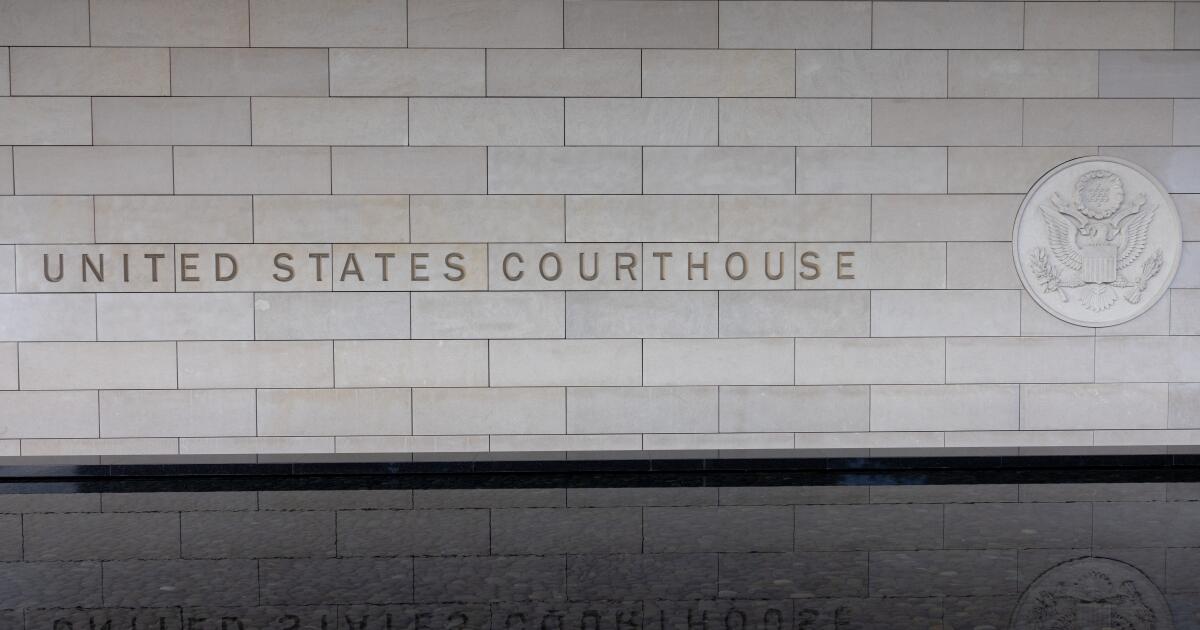
Defense attorneys set critical conditions Tuesday in the US district court for the central district of California, noting that private attorneys working against it are working without pay in July.
They urged the court to reject the Federal Memo prosecutors sent to Nkalo last month, which said the judges could force lawyers to represent the defendants without compensation which is clear that the Defining was heard for the first observation and the condemnation of the arrest.
Attorneys on what’s known as a criminal justice panel — who go in when federal public defenders have disputes — are paid from funds appropriated by the Congressional Services Profession. The show ran out of money on July 3 and the government shutdown has only released an unprecedented amount of money that has been playing around the country.
Due to lack of funding, defense attorneys have filed motions to dismiss cases and – in some cases across the country – judges have stayed criminal cases. In New Mexico, attorneys stopped accepting court-ordered defense work because of a funding crisis.
“For a long time lawyers have been made to work without compensation, and doing so has no constitutional problem,” prosecutors wrote on Oct. 27 27 Memo, which also looked closely at the possibility of punishing in cases of refusal to pay.
Ciaran Mcevoy, a spokesman for the US attorney’s office in Los Angeles, said they sent the memo “where they are going to court.”
In their statement, defense attorneys said defense attorneys are “essential to ensuring effective representation.”
Many of the “criminals in this region face financial risk from long-term incarceration,” defense lawyers said. “Contrary to the government’s claims, this court may simply force lawyers who don’t want to represent criminal wonders without paying.”
“The elimination of months-long payments to CJA attorneys … has already taken a toll on the ability of these attorneys to survive financially, sending their clients behind the United States government.”
Defense lawyers called the government’s suggestion that the panel’s lawyers accept additional unpaid appointments “a deep insult to the extraordinary sacrifices they have made.”
Amidst the funding crisis, the number of lawyers on the receiving panel has been reduced from 85 to around 20, according to Anthony M. Solis, a defense lawyer and representative of the Los Angeles Cja Solis said that they do not believe that lawyers who will enter without compensation are “legally, ethically or desirable or desirable.
According to Solis, the lawyers of the Panel and the service providers throughout the country are owed about $ 150 million, with the fear that those outstanding debts could lead to another funding crisis in the next year, even if the government shutdown were to end this week.
“What we really need is Congress to pass what they call the anomaly to fund the Deficit in the previous budget to start on October 1, all of it,” said Solis. “Because if we don’t do that, then we will increase next year’s budget with last year’s obligations that we still owe.”
According to the Administrative Office of the US Courts, more than 90% of defendants in criminal gangs have court-appointed counsel. Nationally, federal defense agencies handle about 60% of publicly funded cases; The remaining 40 percent is allocated to independent, professional representatives who agree to serve on the CJA panel.
Nationwide, more than 12,000 panel lawyers receive CJ assignments annually. According to the Administrative Office of the American Courts, of those, about 85% “work for small firms or sole practitioners who cannot afford long delays in paying their work.”
Marilyn Bednarski, panel representative for the LA CJA, said it’s not easy to hire panel members for many reasons, including the lengthy vetting process and the hourly hours she says “
Due to the current funding crisis, Bedwe e Netnarski said “many people on the panel just say I can’t take the case, I can’t show you my saved resources.”
“Not only is it late, and now there is this log back, even if the payments start, this idea that we will finish before the next year has an impact on people’s recovery,” he said.
The memo this week included a transcript from an October court hearing, in which Ian Wallach, who has been a lawyer on the panel since 2018, said he would be released in December. “
“We’re talking about money to pay rent, pay car payments, pay health insurance, and pay life insurance,” Walalach said, according to the document.
Walalach told the judge that he went to Cja’s advice and received a letter from the court explaining the situation and the delayed payment.
“I took that to the Management Company where I live and I was told that if I don’t pay, I get a three-day notice,” said Walalach.
Walalach, a criminal defense and civil rights attorney, told the Court that court-ordered cases make up about 50% of his practice. He has a civil rights practice, where he makes the bulk of his money, but said “the payments are short-term for those.”
He said he now faces two MS-13 trials, one of which was scheduled at the last minute in August. He made a motion to withdraw as counsel from a recent case, but said the judge denied it.
“It’s a tough pill to swallow to keep working and working and working and paying off this debt,” she said. At this time, Wallalach said he owed about $100,000.
Another panelist quoted in the memo said they have two young children “and my expenses have exceeded our income three months in a row because I have given up my Federal [CJA-appointed] the case. ”
“I’m dealing with special needs and a possible private school [for the children] Without being able to pay,” said the lawyer.
Solis said the lack of money has also affected the ability to maintain service providers, such as translators, churches and investigators. Some service providers, he said, have had to change to running rideshare companies because of their financial woes.
“Service providers are people with a lot less money, who can afford climate change on their own money than a lawyer,” Solis said.