NewYou can now listen to FOX topics!
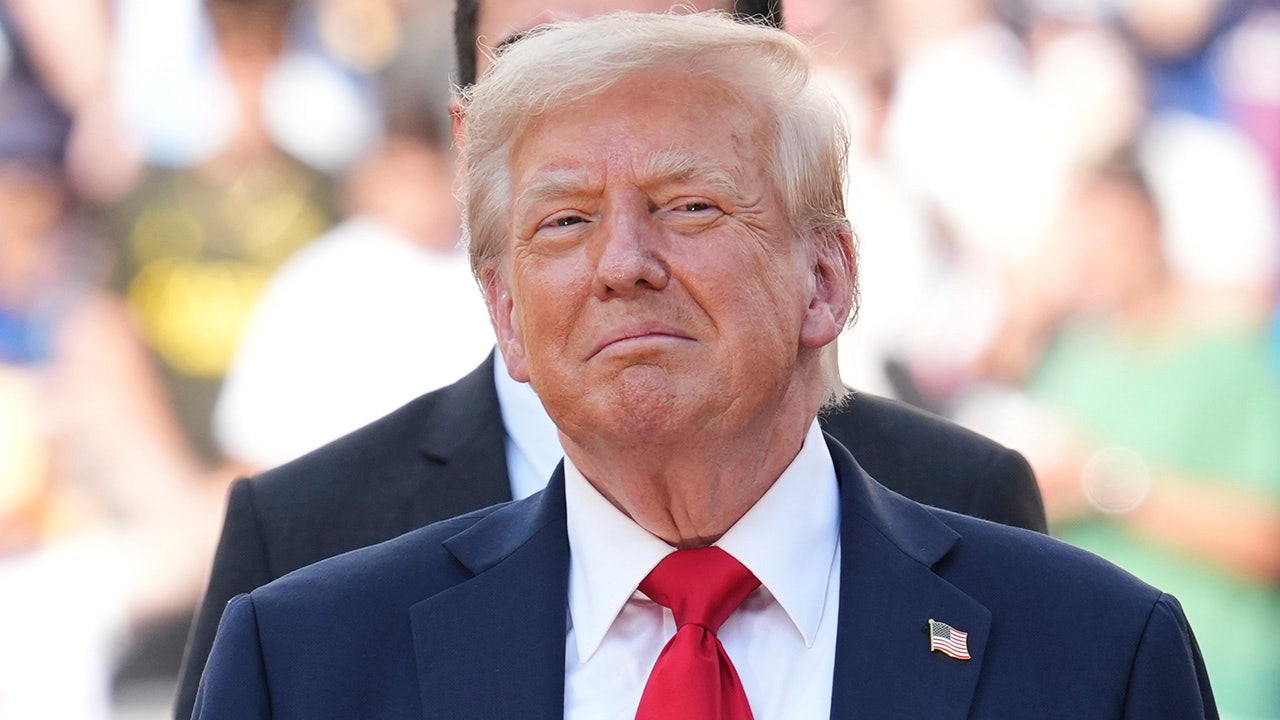
President Donald Trump has sent a video generated by the former Barack Obama Director arrested on Sunday, NOD to the latest Claims made by the National Instruction Director Tulsi gabling.
In real society, Trump share tiktok video of various Democrats, including Obama, saying “None of the Law.”
Later on the 45 AI video, Trump and Obama appeared to be sitting at the Oval office before Obama was arrested as the song “YMCA” playing.
The type generated by AI of Trump Grins as arrested by Obama and eventually dropped in a prison cell. Obama produced by AI and is also seen wearing orange juusuit after bars.
Obama officials acknowledged that they had no “powerful evidence” stronger “Cump-Russia Collectsion: House Intel Transcription
President Donald TRUMP shared the non-president Ai Fake video that the President Barack Obama arrested. (Ap Photo / Jacquern Martin)
The video was determined between allegations from Gabbaward in Obama and its Intel chiefs producing the account of Russia Collitation.
“What this means said nothing about historical,” Gabbds in the Sunday of the Fox News Channel of “Sunday morning.”
“More than 100 Scriptures issued Friday details and give evidence that the emotional crisis for only a few weeks before he left the position after President Trump was chosen,” Gabbded.
The White House is looking for Obama Intel officials ‘held to be answered’ to produce the Russian Pedling 2016 Russia Hoax
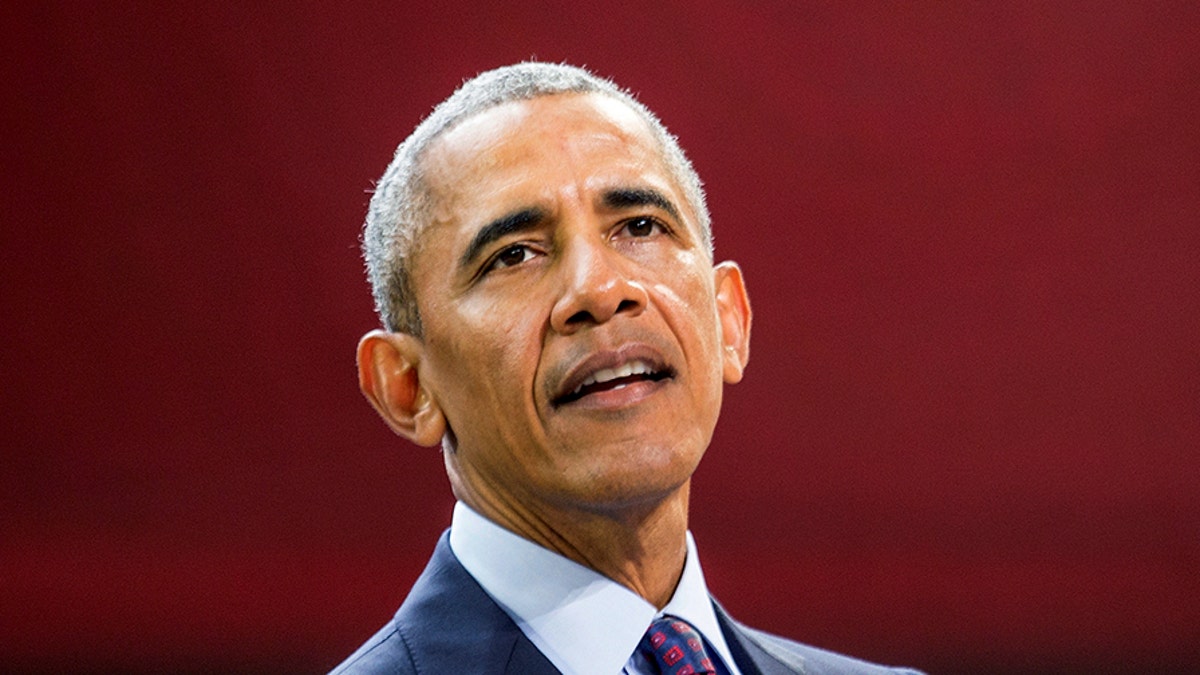
National Intellency Gubli Gulsi Gabling Formed President Barack Obama and his Intel chiefs produced Russia Colives. (Compatible Press)
Gabbard also said he was planning to send unprecedented documents to FBI and the Department of Justice (DOJ) by referral.
The Gablner’s office is before the 2016 election, there is no evidence to meet Russia – and that political parties distort the trump, not responding to the new intelligence.
“To create this part of the Russian clan of Donald Trump the appointment of the rest of the months, ‘” Gabbard told the host in the United States. Maria Bartiro.
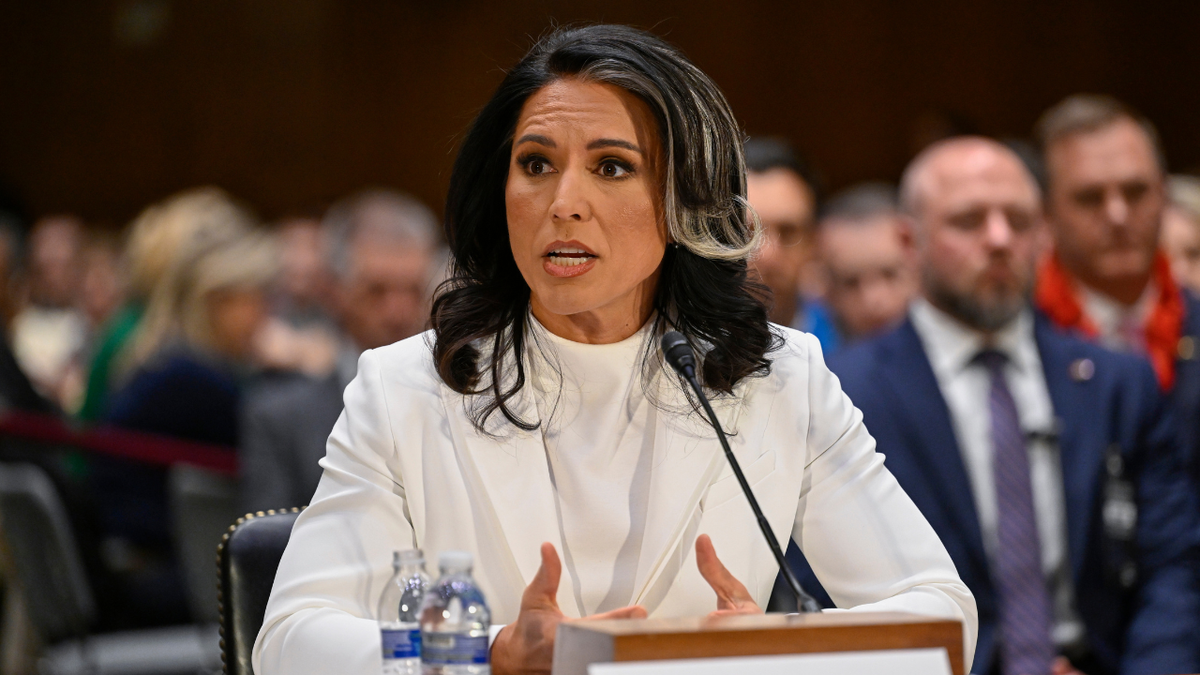
Tulsi Gablard, President Donald Trump Director, arrived will appear before the Environmental Affirmation Committee Capitol Hill Confirmation on Thursday, Jan. 30, 2025, in Washington. (AP)
Click here for Fox News app
“So the effect of the Obama party and high-final financial security team, keeping down the Democratic Republic and did what nights would be against the President,” he added.
Fox News Digital Penley Penley had an impact on this report.