Republicans split with Trump amid the DOJ investigation into Federal Reserve Chairman Powell

The Chairman of the Federal Reserve, Jerome Powell, confirmed that the central bank has been served by the Department of Justice regarding the allegations related to the testimony of the congress about the renovation of the bank’s headquarters. (Credit: Federal Reserve)
The bitter rivalry between the Trump administration and the Federal Reserve reached a boiling point this weekend as the administration opened a criminal investigation into Chairman Jerome Powell.
What began as a disagreement over interest rate policy has turned into an unprecedented confrontation, posing the biggest challenge to Powell’s eight-year leadership of the Federal Reserve.
The dispute has reached Capitol Hill, where Republican members of Congress – including those close to the Trump administration – are pushing back on the investigation and threatening to block future nominees to lead the world’s most powerful bank.
FEDERAL RESERVE CHAIR POWELL UNDER CRIMINAL INVESTIGATION BY HQ CORRECTION
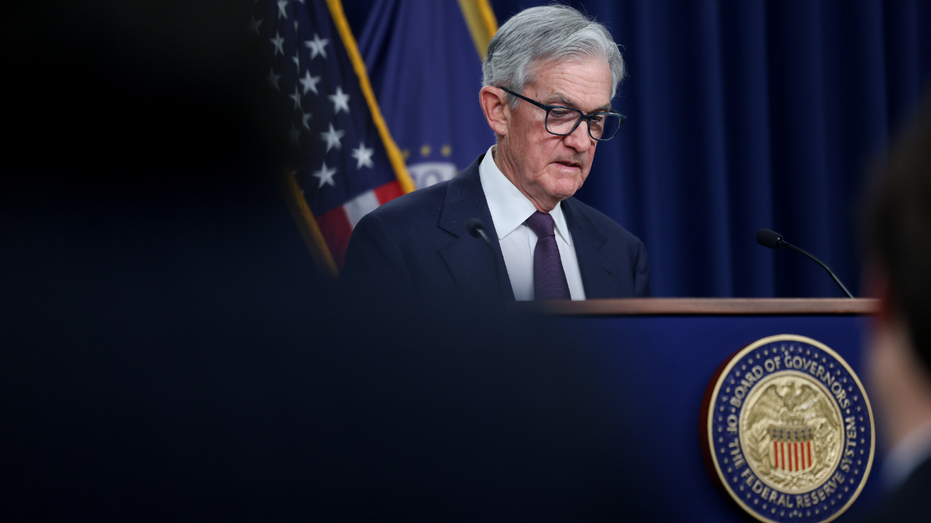
Jerome Powell, chairman of the US Federal Reserve, answers questions following a meeting of the Federal Open Market Committee in Washington, DC, Wednesday, May 7, 2025. (Tierney L. Cross/Bloomberg/Getty Images/Getty Images)
Perhaps the most prominent Republican to join the conversation so far is Rep. French Hill, R-Ark., who chairs the House Financial Services Committee.
Hill recalled his long relationship with Powell, dating back to their time together at the Treasury Department under then-President George HW Bush, and said, “Then, now, I know Mr. Powell to be an honest man with a strong commitment to public service.”
POWELL OUTLINES WHAT TO DO TO DIFFER FROM FED AS STIMULUS FOR CHANGE
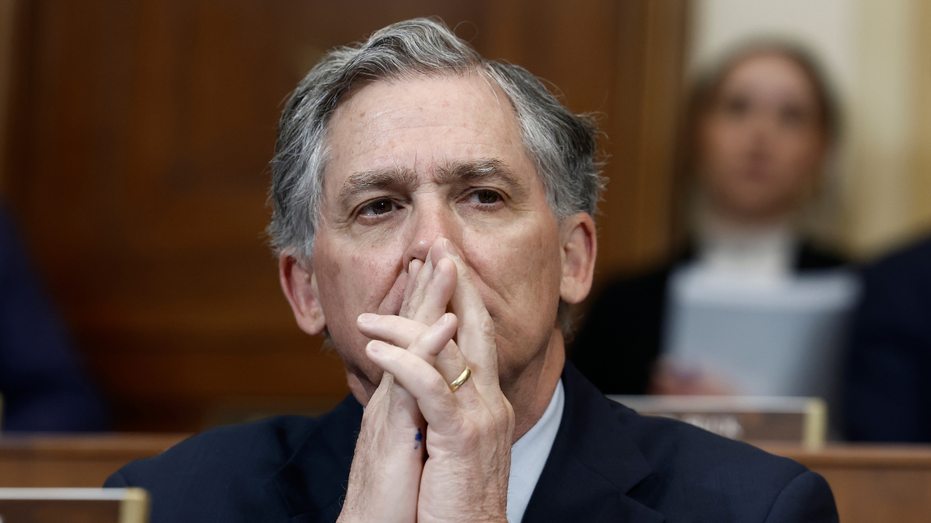
Rep. French Hill, R-Ark., speaks during a hearing with the House Foreign Affairs Committee at the Rayburn House Office Building on March 19, 2024, in Washington, DC. (Photos by Anna Moneymaker/Getty Images)
“Pursuing criminal charges related to his evidence of real estate renovations at a time when the nation’s economy needs to be focused is creating unnecessary disruption,” Hill said. “The Federal Reserve is led by strong, capable individuals appointed by President Trump, and this action could undermine the ability of future Administrations to make sound monetary policy decisions.”
Sen. Thom Tillis, RN.C., was among the first Republicans to strongly criticize the investigation Sunday night, warning that it threatens the independence of both the Federal Reserve and the Justice Department.
“If there was any doubt left that advisers within the Trump administration are actively pushing to end the Federal Reserve’s independence, there shouldn’t be any now,” Tillis wrote in X. “Now it is the independence and credibility of the Department of Justice that is at stake.”
Tillis added that he will oppose the confirmation of any nominee for the Federal Reserve – including the next chairman of the Fed – until the legal issue is resolved.
REPUBLICAN SENATOR VOWS TO BLOCK TRUMP FED NOMINEE OVER POWELL INVESTIGATION
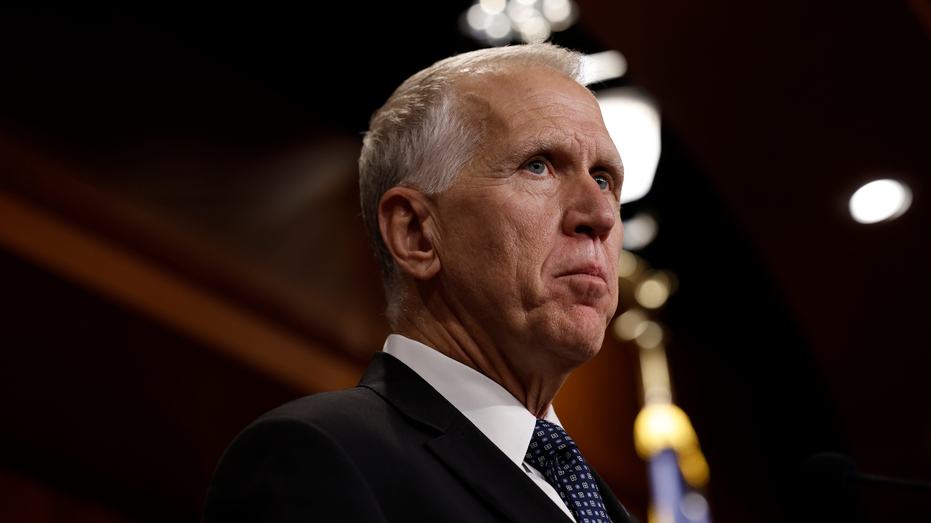
Sen. Thom Tillis, RN.C., said he will block President Donald Trump’s next Federal Reserve nominee. (Photos by Anna Moneymaker/Getty Images)
The warning comes as Trump weighs candidates to replace Powell, whose term as Fed chairman will expire in May.
Tillis’ resistance carries special weight given her position on the Senate Banking Committee, where any new nominee will be vetted. If he follows through on his threat, it could result in a tie vote in the legislature.
That would force a vote in the Senate to go forward with whoever Trump picks and, given GOP resistance, could fail.
Sen. Lisa Murkowski, R-Alaska, supported Tillis’ move to block any future Fed chair election, adding that “the stakes are too high to look the other way: if the Federal Reserve loses its independence, the stability of our markets and the broader economy will suffer.”
After speaking with Powell on Monday morning, Murkowski said “it is clear that the administration’s investigation is merely a coercive effort.”
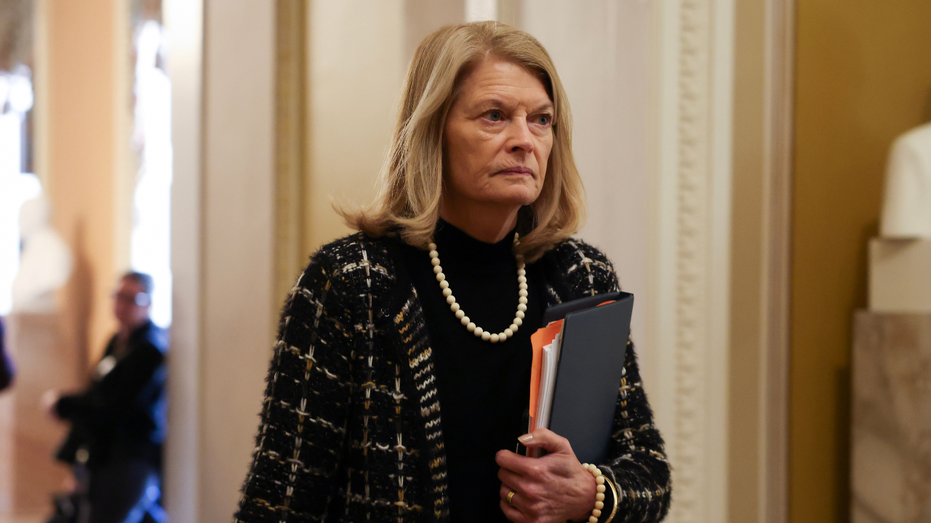
Sen. Lisa Murkowski, R-Ark., said she spoke with Federal Reserve Chairman Jerome Powell about the Justice Department’s investigation. (Kayla Bartkowski/Getty Images/Getty Images)
“If the Justice Department believes that an investigation into Chairman Powell was authorized based on project cost overruns — which is unusual — then Congress needs to investigate the Justice Department,” Murkowski said.
Senate Majority Leader John Thune, RS.D., said he “hasn’t seen a case or any allegations… But I would say they better be true and serious.”
Sen. Elizabeth Warren, D-Mass., the top Democrat on the Senate Banking Committee, similarly launched a criminal investigation into Powell and charged that Trump wanted “to install another sock puppet to complete his corrupt takeover of America’s biggest bank.”
“Trump abuses the authority of the Justice Department like a dictator, so the Fed serves his interests, and that of his billionaire friends,” Warren said in a statement. “This Committee and the Senate should not move forward with any of Trump’s Fed nominees, including the Fed Chair.”
Trump VS The Federal Reserve
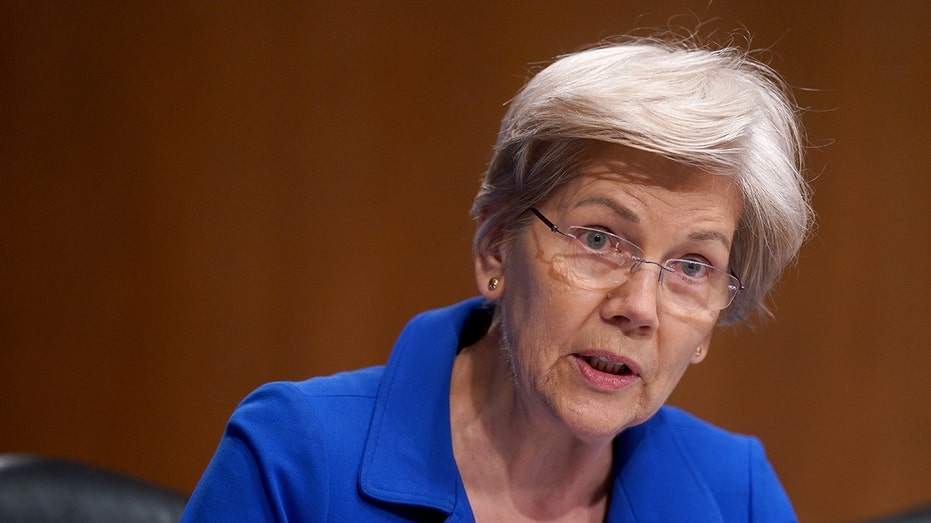
Sen. Elizabeth Warren, a Democrat from Massachusetts, criticized the Trump administration’s latest action targeting the Federal Reserve. (Al Drago/Bloomberg/Getty/Getty Images)
While Sen. Kevin Cramer, RN.D., who stopped supporting the investigation, criticized Powell as “a bad Fed Chairman who was skeptical of Congress,” especially because of the cost increases associated with the renovation of the Federal Reserve headquarters.
“I don’t believe he’s a criminal, though,” Cramer said. “I hope this criminal investigation can be brought to an end as soon as Jerome Powell’s time remains. We need to restore confidence in the Fed.”
GET FOX BUSINESS ON THE GO BY CLICKING HERE
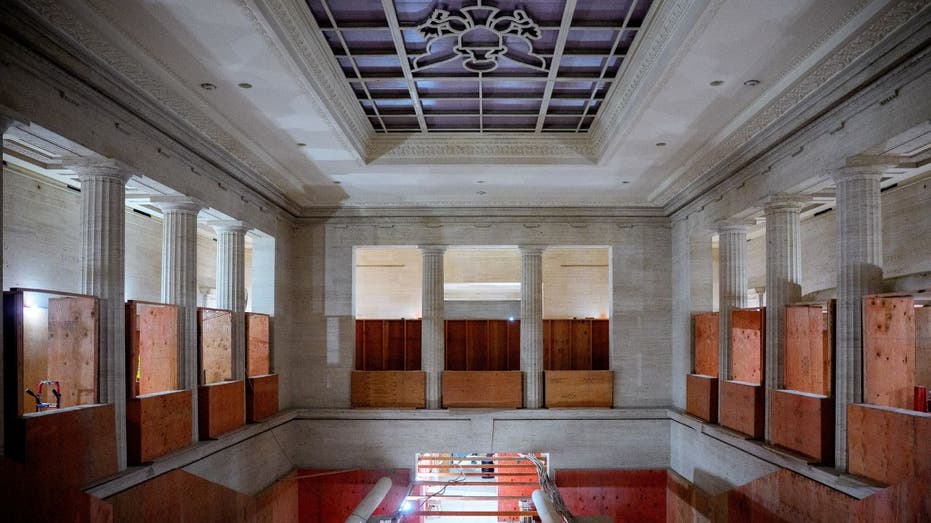
The main atrium of the Marriner S. Eccles Federal Reserve building during a media tour of the central bank’s headquarters renovation in Washington, DC, on July 24, 2025. (Photos by Andrew Harnik/Getty/Getty)
The renovation of the Fed’s two main buildings in Washington’s Foggy Bottom neighborhood is expected to cost $2.5 billion and is expected to be completed by 2027. This project is being paid for by the central bank instead of taxpayers.
The Fed finances its operations independently, relying heavily on interest earned on government securities and payments from financial institutions.
However, the increase in spending has drawn criticism from the President Donald Trumpwho has repeatedly seized on the project as evidence of what he described as Fed mismanagement.
For now, it’s unclear what comes next, as the Federal Reserve navigates uncharted territory.